“portablepress.com” got its name from the Bathroom Readerbook series. Now you know!”
Bing. In development, Microsoft’s search engine was codenamed “Kumo,” But Microsoft went with Bing because focus groups said it reminded them of “the moment of discovery.” The company also liked that it was short, easy to spell, and transferable to languages other than English. (Detractors jokingly claim BING is an acronym for “but it’s not Google.”)
Yelp. The business listings and ratings site is in many ways an Internet version of the Yellow Pages. In fact the “yel” in “Yelp” comes from “yellow,” and the “p” comes from “pages.”
Elf. Buddy the Elf says that elves “try to stick to the four main food groups: candy, candy canes, candy corns, and syrup.” While portraying Buddy, Ferrell ate so much sugar—particularly in the scenes where Buddy eats huge plates of spaghetti covered in chocolate syrup and candy chunks—that he routinely suffered migraines throughout the filming of the movie.
A few weeks ago, we wrote about the Singing Nun, who had an unlikely #1 hit in the U.S. in 1963 with “Dominique,” a song sung in French. Here are some more non-English tunes that topped the American pop chart.
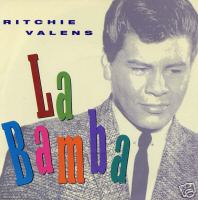
• A rock version of the folk song “La Bamba” is Ritchie Valens’ best-known and signature song, but upon its release in 1959, it was only a minor hit. As the B-side of the #2-hit ballad “Donna,” “La Bamba” hit #23. But when a movie about Ritchie Valens life and untimely death (he died in the same plane crash that killed Buddy Holly and the Big Bopper) called La Bamba was released in 1987, a cover version by the band Los Lobos hit #1. It’s the first and only time a song sung entirely in Spanish has topped the charts.
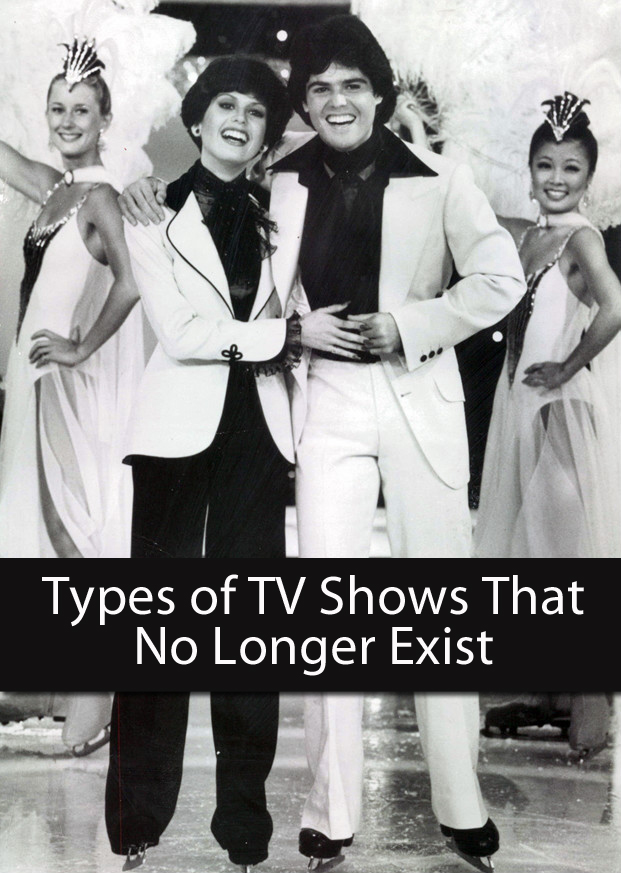
These glitzy, glamorous, song and dance spectaculars were dominant TV format in the 1960s and ‘70s. Featuring big production numbers, colorful costumes, comic sketches, and banter between the hosts, extravaganzas Sonny and Cher, Donny and Marie, and The Glen Campbell Goodtime Hour dominated ratings. By 1980 they were simply passé, as the garish ‘70s gave way to the sleek ‘80s. In 1987, ABC attempted to revive the variety show with what seemed like a sure thing. The network signed singer/actress Dolly Parton to a two-year, $44 million contract to star in Dolly. It flopped, and the network bought out Parton’s contract and cancelled the show in less than a year.
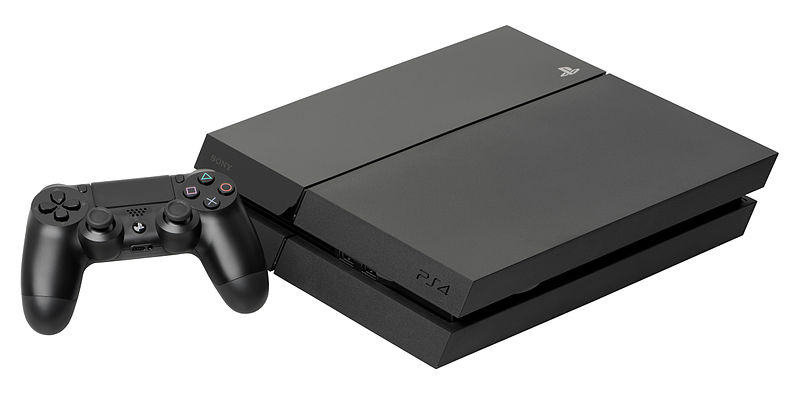
The PlayStation 4 just came out, so here’s some trivia about the first three: 5 facts about PlayStation.
• In the late ‘90s, Sony manufactured the audio processors for the Super Nintendo system. Seeing how much money Nintendo was making, the company decided to make its own system. At the same time, it was working with Phillips Electronics to improve CD-ROM technology. Sony figured out how to run data, graphics, and audio from a CD-ROM simultaneously and super-fast. Result: It could put highly advanced video games on discs, a gaming first. Disc games are also much cheaper to manufacture than cartridges, the traditional delivery method for video games.
• Video game industry analysts predicted the PlayStation to fail shortly upon its release in 2000. Why? Because at that point, only software manufacturers like Nintendo and Sega had successfully launched a video game console. Strictly electronics companies, like Sony, had a long history of releasing flop systems, such as RCA’s Studio II, Fairchild’s Channel F, and Magnavox’s Odyssey.
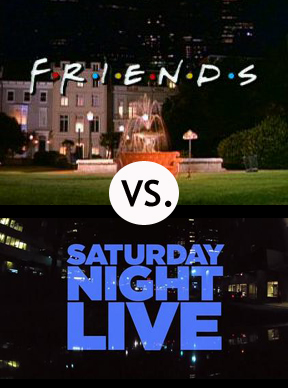
In the 1992-93 TV season, Aniston starred on a short-lived sketch comedy show on Fox called The Edge. Not very many people watched the show (it was cancelled after 18 episodes), but producers at Saturday Night Live must have. Aniston was asked to audition for that show, and she was asked to join the cast for the 1994-95 season. Aniston turned them down, feeling that the pilot she’d just shot for an NBC sitcom called Friends had some promise.
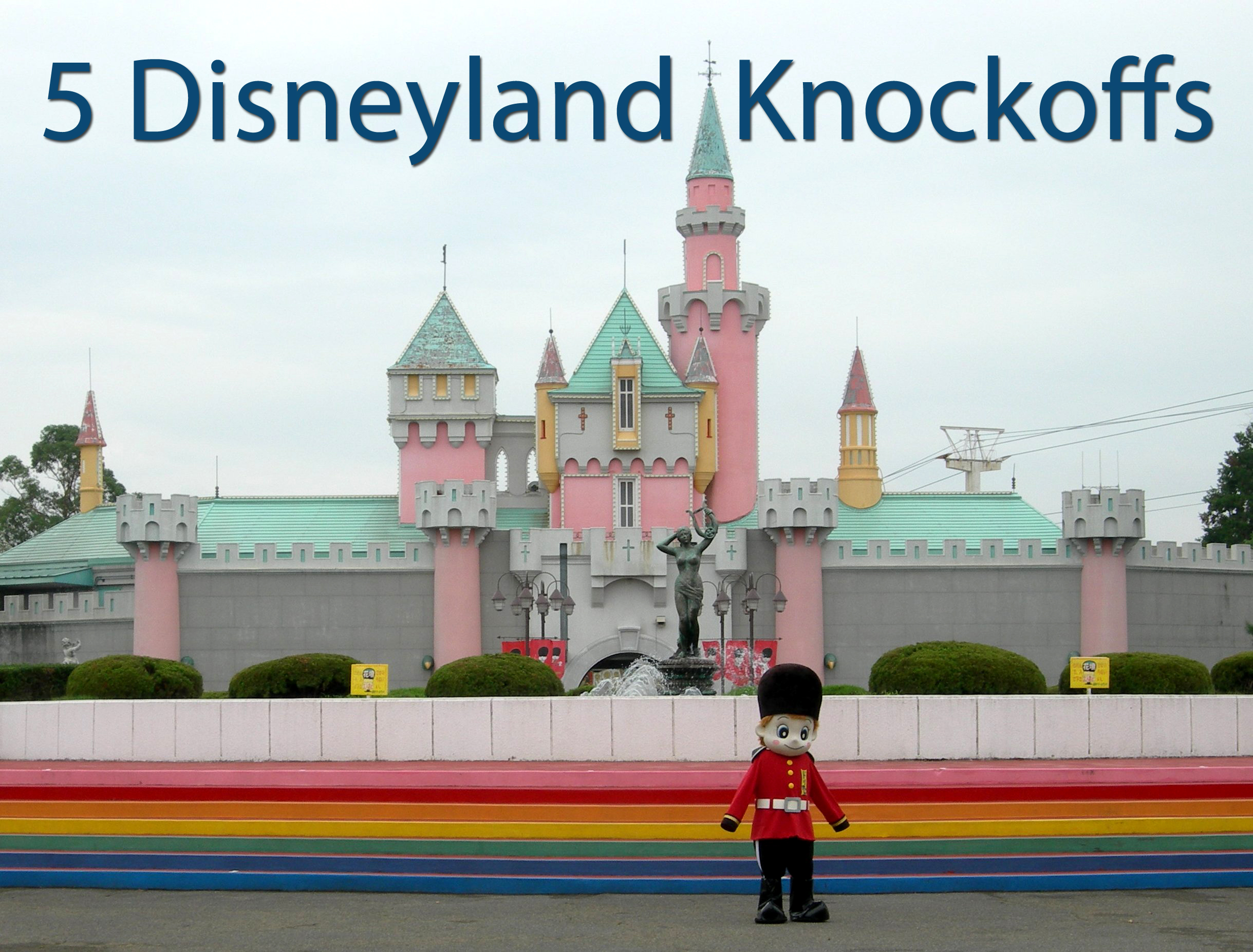
In 1959, a group of Japanese investors tried to convince executives at the Walt Disney Company to build a second Disney theme park… in Japan. Disney liked the idea, but not the location and opened a sister park for its Disneyland in California with Disney World in Florida. Undeterred, the consortium decided to move forward without Disney’s blessing and build an exact replica of Disneyland in Nara, Japan. Opening in 1961, Dreamland had all of the amenities of Disneyland, such as replicas of Sleeping Beauty’s Castle, The Jungle Cruise, Autopia, the Matterhorn, a monorail, and even a Main Street USA recreating that old timey small town Americana feel for Japanese tourists. Dreamland was the top amusement park in Japan throughout the ’60s and ’70s…until the genuine article Tokyo Disneyland opened in 1983. Dreamland closed for good in 2006.
The house, placed in a quiet neighborhood in a suburb of Las Vegas, was later given away in a contest, but the winner opted for a $75,000 cash prize instead of the house. More than 30,000 people visited the house in 1997 (including Simpsons creator Matt Groening who signed one of the walls with purple paint), but neighbors weren’t too pleased with all the tourist traffic. The house was repainted and most of the details related to the show were removed before it was sold in 2001.
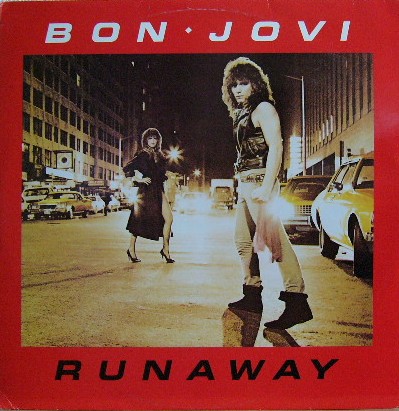
Jon Bon Jovi assembled his hard rock band, Bon Jovi, in 1983, which included bassist Hugh McDonald, who played on the group’s first single “Runaway.” The song was a local hit, and when the group got a record deal, Bon Jovi replaced some of his band members, including McDonald, with a new bass player, Alec John Such. Except…he really didn’t. Such was credited as the bass player on five multi-million-selling Bon Jovi albums, but it was really McDonald who was playing. Why was Such, who was reportedly not as accomplished a musician as McDonald, presented as Bon Jovi’s bassist? McDonald was a decade older than Jon Bon Jovi, Such, and the other members of the band. When the band became teen idols in the 1980s, youth (and youthful looks) were important, and McDonald didn’t fit that profile. In 1994, McDonald “replaced” Such, both in concert and on record.
Richard Doyle was a standup comedian from Los Angeles who hosted a show on local TV called Comic Talk, where he interviewed other comedians that were part of that city’s rising comedy scene. Doyle was also a musician—in 1973, under the name “Shamus M’Cool,” his Christmas novelty song “Santa’s Little Helper, Dingo” hit #11 on Billboard’s seasonal holiday music chart.
That was the only musical success Doyle had had, but in 1981, he decided to revive his musical career, as well as the “Shamus M’Cool” stage name. He recorded a country rock song called “American Memories,” which wasn’t a comic novelty song at all—it was a look back on triumphant, proud memories in American history. (The B-side: “American Humor,” six-minutes of Ronald Reagan jokes from Doyle’s comedy act, recorded live at the Playboy Club.)
Ironic refund. Beginning in 2001, the Walt Disney Company distributed a line of educational videos for babies called Baby Einstein. The 30-minute videos of puppet shows, abstract images, nature footage, and famous works of art, were scored to a classical music soundtrack and interspersed were vocabulary segments to help babies learn new words. In 2009, Disney offered refunds to parents who had purchased Baby Einstein videos after a 2007 study found that watching TV and videos as an infant may inhibit brain development. Another study showed that kids who regularly watched Baby Einstein videos actually learned fewer words by kindergarten that those who hadn’t watched the tapes.
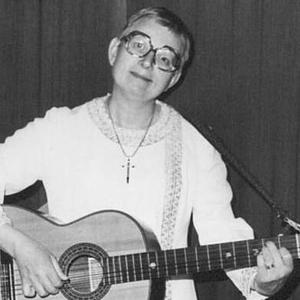
Belgian-born, French-speaking Jeanine Deckers joined The Fichermont Convent in 1959 at the age of 26. Upon taking her vows, she adhered to the custom of picking a new name: Sister Luc-Gabrielle. Living at the convent, she passed the time by entertaining the other nuns with songs about Catholic saints that she wrote and performed on her acoustic guitar.
The superiors at the convent thought Sister Luc-Gabrielle should make a limited-press album—they could sell those records of original religious songs to people who visited the convent or who attended their religious retreats. The convent booked time for the sister at Philips Studio in Brussels in 1962. While it’s fairly common for church choirs or religious performers to self-release an album, then and now, the engineers at Philips thought Sister Luc-Gabrielle was more than just another church singer—they thought her gentle, lilting folk songs could make her a pop star. So they signed her to a contract, and presented her to the public as Soeur Sourire, or “Sister Smile.”
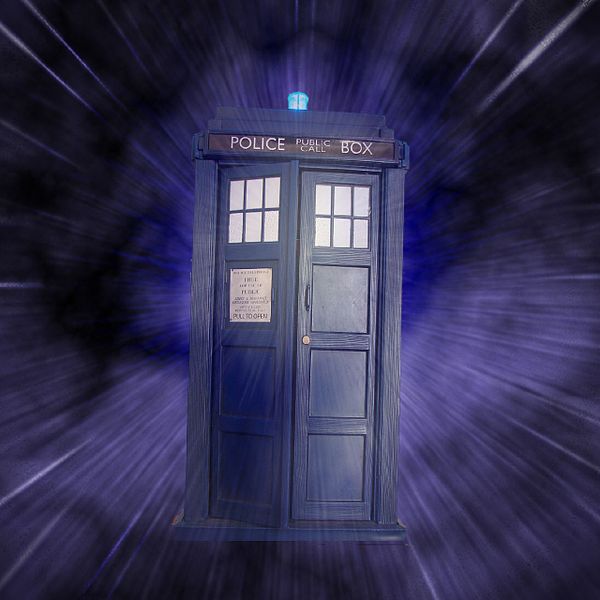
Doctor Who premiered on England’s BBC One on November 23, 1963, and has aired almost continuously ever since (although new episodes weren’t produced between 1989 and 2005), making it by far the longest-running science-fiction program on television. With 798 episodes and counting, it’s among the longest-lasting prime-time dramas as well.
In the 1970s, it was one of the first British series to air on American TV and became a cult hit. And in England, it’s a popculture phenomenon—it’s spawned radio series, novels, and several tie-in movies. Eavesdrop for long enough in any British pub, and you’ll hear patrons arguing over who the best Doctor was. In both countries, Doctor Who has had a substantial influence on television. Here’s a primer: The premise. The Doctor (who is known only as “the Doctor”) is the last of a race called the Time Lords, who are near-omnipotent, hyperintelligent, and keep a strict non-intervention policy—a law the Doctor breaks when he sets out to explore the universe. Along with a human companion (usually a teenager or young woman), the Doctor travels through time and space.
• The Millers is a hit new comedy for CBS on Thursday nights. It starts Will Arnett and Margo Martindale, who are best known for, respectively, the Emmy-winning comedy Arrested Development and the Emmy-winning drama Justified. Neither of those shows ever brought in a huge audience. The premiere of The Millers attracted 13.09 million viewers, which is more than the most-watched episode of Arrested Development (7.98 million) and the most-watched episode of Justified (4.16 million) combined.
• Super Fun Night is a new comedy hit for ABC for two reasons: 1) It stars Rebel Wilson, from Bridesmaids and Pitch Perfect, and 2) It’s on immediately after Modern Family. This show has been in the works for almost two years. Wilson created the series and filmed a pilot in late 2011, which ABC turned down. They asked Wilson to try again, so she rewrote the script and filmed another pilot in 2012. The network didn’t like that attempt either, but still picked up the show to series and filmed a third pilot episode. That one wasn’t very good either, because ABC refused to air it. The first episode of Super Fun Night was actually the show’s second installment.
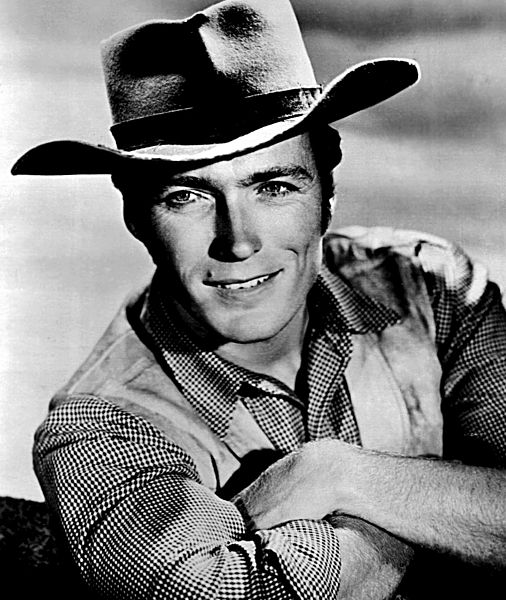
While co-starring as a tough guy on the TV western Rawhide in 1962, the tough guy actor, Clint Eastwood, recorded an album called Rawhide’s Clint Eastwood Sings Cowboy Favorites. The songs on the album weren’t pop or rock songs—they were story songs about cowboys and outlaws of the Old West, similar to what Marty Robbins might record. The album was not a hit and failed to expand Eastwood’s fanbase into the younger demographic. Eastwood gave up singing, but not music. He’s composed the score for eight of the movies he’s directed, including Mystic River and Million Dollar Baby.
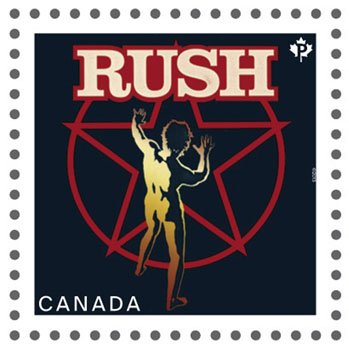
• Rush once opened for the retro group Sha Na Na. They were booed off stage.
• The inspiration for the eight-minute, epic “By-Tor and the Snow Dog” on Fly By Night was the band’s road manager’s mouthy German shepherd, who would bite anyone who came near. “He’s a By-Tor,” the manager would say.
• Neal Peart was for many years a devotee of Ayn Rand, who emphasized the individual over society and denounced the poor as parasites. He has since denounced Rand’s doctrine of selfishness and called himself a “bleeding-heart libertarian.”
• Alex Lifeson was born Aleksandar Zˇivojinovi ́c to Serbian parents—his stage name is an almost literal translation of his Serbian name.
• Unlike other bands from the ‘70s, Rush never trashed hotel rooms. However, Lifeson was tasered, arrested, and had his nose broken in 2003 at the Ritz-Carlton hotel in Naples, Florida. The incident stemmed from what the guitarist called the hotel and sheriff’s office’s “incredibly discourteous, arro- gant, and aggressive behavior.” The hotel chain later settled for damages.
It seems that anything you do online has the word Google attached to it today. Our online lives are filled with Gmail, Google Docs, Google Plus, Google Maps, Google Earth, Youtube, Piacasa, and most importantly, Google Search! So, how did Google get its name? Here is an piece from Uncle John’s Top Secret Bathroom Reader for Kids Only!
In 1998 Sergey Brin and Larry Page were looking for money to help start their company, so they boasted to investors that their new search engine could find a googol pieces of information, which is the word for the numeral “1” followed by 100 zeroes. One investor liked them, and immediately wrote a check made out to “Google.” The name stuck.



 Bing. In development, Microsoft’s search engine was codenamed “Kumo,” But Microsoft went with Bing because focus groups said it reminded them of “the moment of discovery.” The company also liked that it was short, easy to spell, and transferable to languages other than English. (Detractors jokingly claim BING is an acronym for “but it’s not Google.”)