The Federation of Beer – as in the United Federation of Planets from Star Trek – has licensed the Star Trek name to create a beer called Roggen Dunkel to be brewed in Indiana.
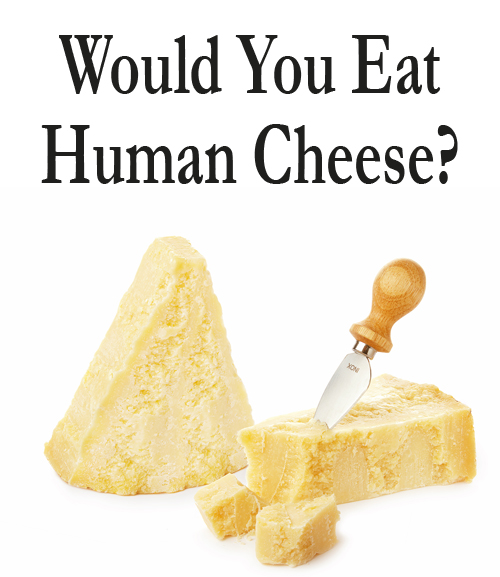
Scent researcher Christina Agapakis, and Sissel Tolaas, a synthetic biologist, learned that microscopic ecosystems inside the human body are often very similar to the bacteria that makes cheese possible. So, with the cooperation of Stanford University and the University of Edinburgh, they followed this information to its natural conclusion: a product called Selfmade, which is “human cheese.”
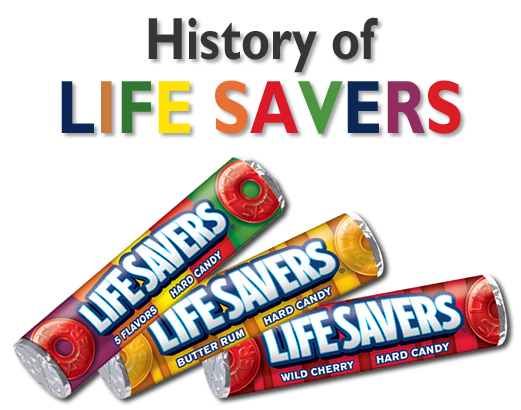
In the early 20th century, Clarence Crane ran a candy company in the Cleveland, Ohio, area. His top sellers were chocolate candies, but sales always plummeted during the summer months. Why? Chocolate melts. And in the 1910s, air conditioned stores were not the norm. Then Crane got an idea. Inspired by the hard mints popular in Europe and just beginning to be imported into the U.S., Crane created his “summer candy”—hard peppermint candies that were round and flat, to differentiate from the spherical European ones.
• In 2003, wildlife conservation officers in Michigan faced a spate of illegal turkey poachers. They didn’t call the Detroit police, one-time employer of Robocop—they brought in Robo Turkey. Several models of the $1,000 animatronic bird were placed in fields and woodlots around the state’s northern counties to protect wild turkeys. Robo Turkey looks like the real thing…from a distance. Officers can operate the bird via remote control to make him move around and shake his tail feathers, in order to attract illegal hungers. Robo Turkey has caught hundreds of poachers in the past decade.
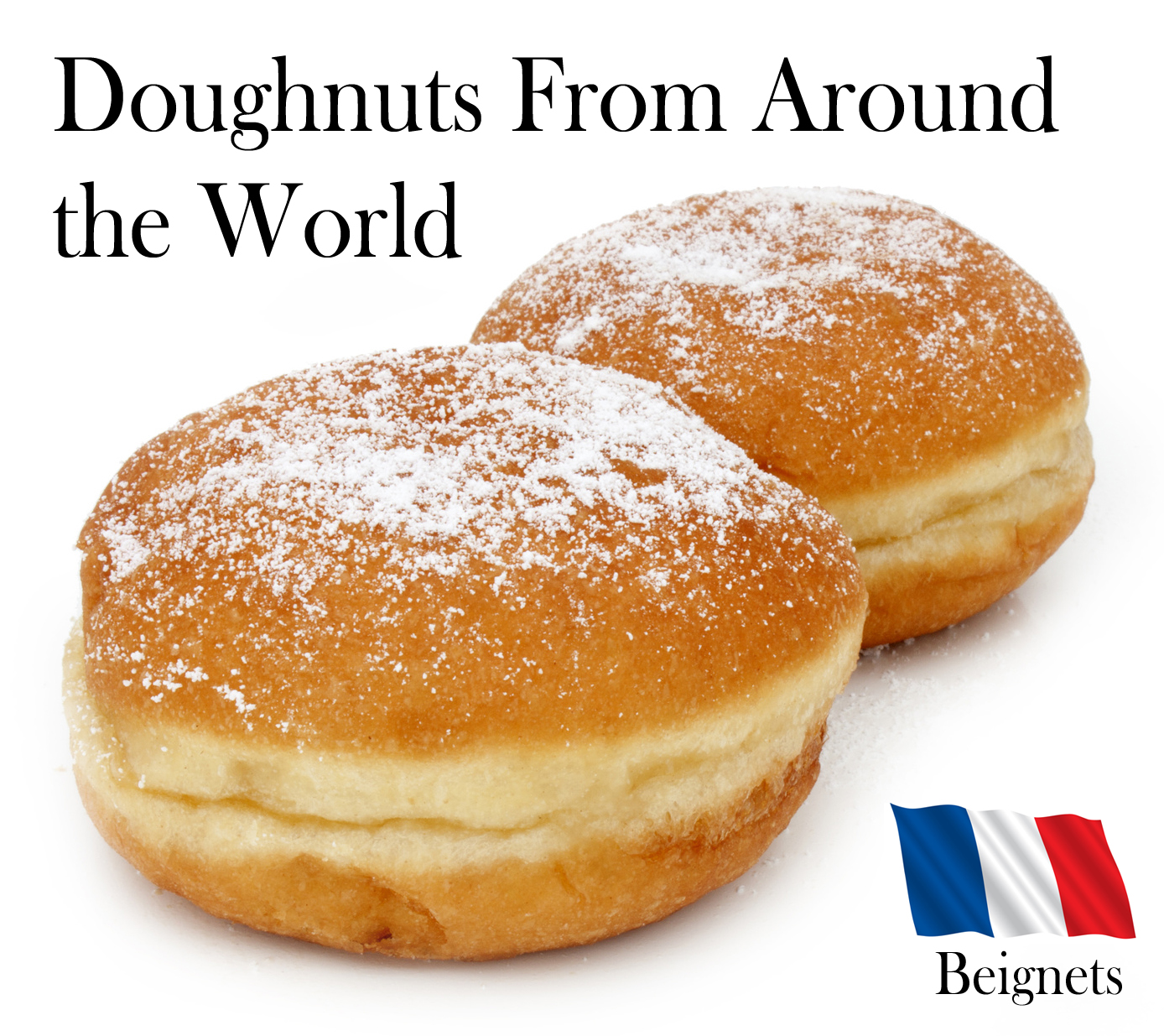
Details: French cooks can make even a doughnut—simple dough, cooked in oil—seem fancy. “Beignet” is a deep-fried pastry made out of a versatile dough base called choux. Consisting of little more than butter, flour, eggs, and water, the same dough is used to make other French desserts, including éclairs and profiteroles. A beignet is usually rectangular, served hot, and topped with a mound of powdered sugar.
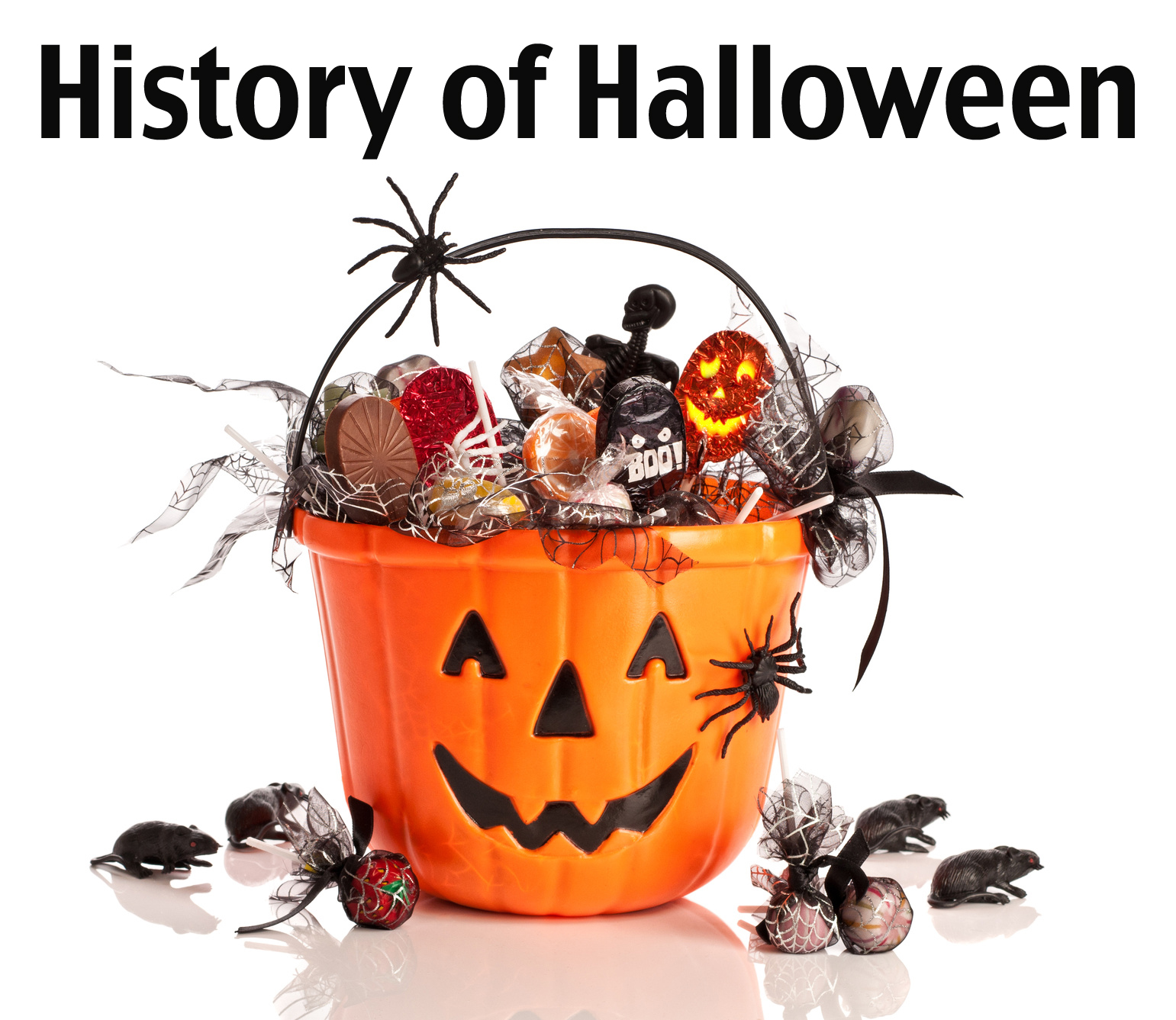
The ancient Celts in the British Isles celebrated their new year on November 1. Their New Year’s festival was called Samhain (pronounced sow-wen), which means “summer’s end.” Early Christians adopted the festival in the seventh century A.D., making November 1 a celebration of saints and martyrs—hence the name All Saints’ Day or All Hallows’ Day. (Hallow comes from an Old English word meaning “holy.”) The night before All Saints’ Day was known as All Hallows’ Even (evening)— which was shortened to “Hallowe’en.”
ANCIENT MYSTERY
What’s Halloween’s connection to ghosts and costumes? No one’s sure, but historians offer these three possibilites.
Theory #1: The Ghosts Are Hungry!
On All Hallows’ Eve, evil spirits roamed the Earth in wild celebration, ready to greet the arrival of “their season”— the cold dark winter. And just for fun, they liked to frighten mortals. One way for scared humans to escape the demons was to offer them food and sweets. Another way was to dress up like spirits and roam around with them…hopefully going unnoticed. “That is what the ancient Celts did,” explains Francis X. Weiser in The Handbook of Christian Feasts and Customs, “and it is in this very form that the custom has come to us.”