In recent years, the British sci-fi legend Doctor Who has enjoyed a resurgence
in popularity in the U.S and the U.K. Still, most Americans know little about the Doctor.
With the 50th anniversary celebration coming up, it is time to catch up. Here are a
few facts to get you going.
 WHOVILLE
Doctor Who premiered on England’s BBC One on November 23, 1963, and has aired almost continuously ever since (although new episodes weren’t produced between 1989 and 2005), making it by far the longest-running science-fiction program on television. With 798 episodes and counting, it’s among the longest-lasting prime-time dramas as well.
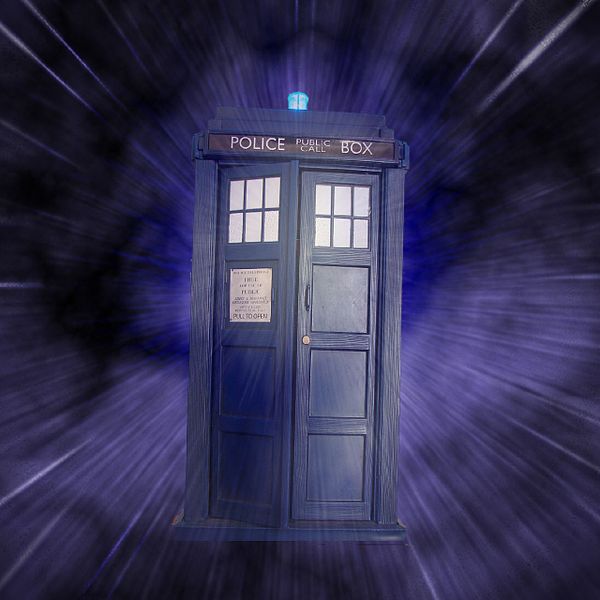
In the 1970s, it was one of the first British series to air on American TV and became a cult hit. And in England, it’s a popculture phenomenon—it’s spawned radio series, novels, and several tie-in movies. Eavesdrop for long enough in any British pub, and you’ll hear patrons arguing over who the best Doctor was. In both countries, Doctor Who has had a substantial influence on television. Here’s a primer: The premise. The Doctor (who is known only as “the Doctor”) is the last of a race called the Time Lords, who are near-omnipotent, hyperintelligent, and keep a strict non-intervention policy—a law the Doctor breaks when he sets out to explore the universe. Along with a human companion (usually a teenager or young woman), the Doctor travels through time and space.